
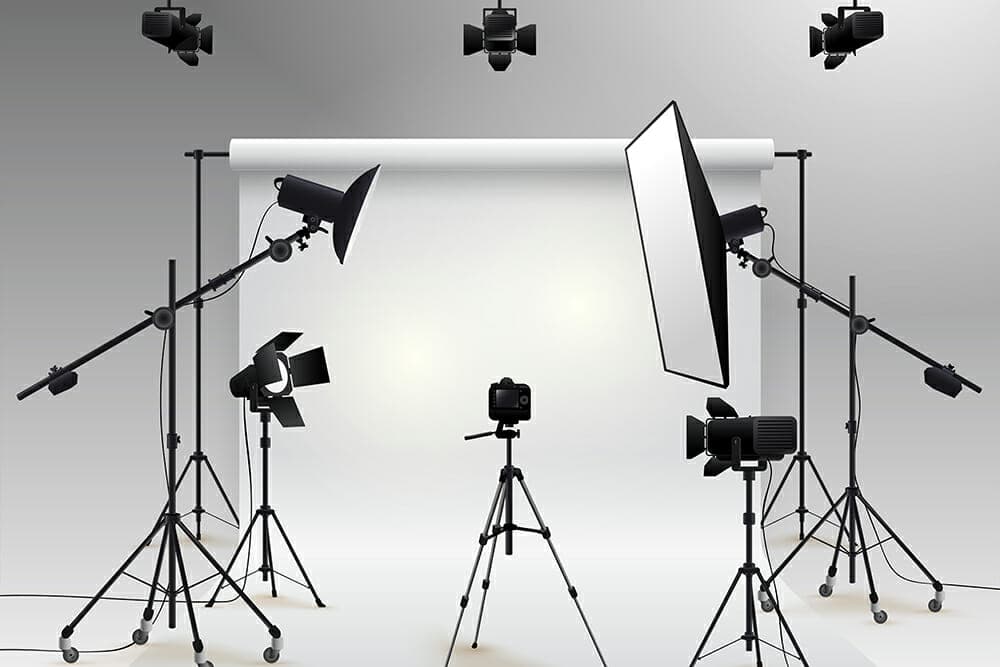
Lighting is one of the most important elements in photography. Even with perfect camera settings, poor lighting can ruin a photo. On the other hand, good lighting can make a simple subject look professional.
If you already understand how ISO, aperture, and shutter speed work together, learning how to use light properly will take your photography to the next level.
In this guide, you’ll learn simple lighting techniques that every beginner should know.
Why Lighting Matters in Photography
Photography literally means “drawing with light.” Without light, there is no image.
Lighting affects:
- Brightness
- Mood
- Color
- Texture
- Sharpness
Understanding light helps you control how your photos feel.
Natural Light for Beginners
Natural light is the easiest and most accessible type of light.
Golden Hour
Golden hour happens shortly after sunrise and before sunset.
- Soft shadows
- Warm tones
- Flattering light for portraits
This is one of the best times to practice photography.
Window Light
Indoor window light is perfect for portraits and product photography.
- Position your subject near the window
- Avoid harsh direct sunlight
- Use curtains to soften light
Window light creates soft and natural-looking images.
Direction of Light
The direction of light changes the look of your photo.
Front Light
- Even exposure
- Fewer shadows
- Safe and simple
Side Light
- Adds depth
- Enhances texture
- Creates drama
Backlight
- Creates silhouettes
- Adds glow
- Can be challenging for exposure
Artificial Light Basics
You don’t need expensive equipment to start.
Beginner options:
- Desk lamps
- Ring lights
- LED panels
Start simple and learn how light direction affects shadows.
Controlling Harsh Light
If light is too strong:
- Move into shade
- Use reflectors
- Diffuse with fabric
- Adjust your camera settings
Balancing exposure and lighting is key.
Common Lighting Mistakes
Avoid:
- Shooting at midday with harsh shadows
- Ignoring background lighting
- Mixing too many light sources
- Overexposing highlights
Good lighting improves sharpness and overall image quality.
Proper camera settings also help prevent exposure problems.
Final Lighting Tips
- Observe light before shooting
- Move your subject if needed
- Practice in different times of day
- Combine good lighting with strong composition
Lighting is one of the fastest ways to improve your photography. Once you understand how light behaves, your images will instantly look more professional.
If you want a broader improvement plan, read our Best Photography Tips for Beginners.