
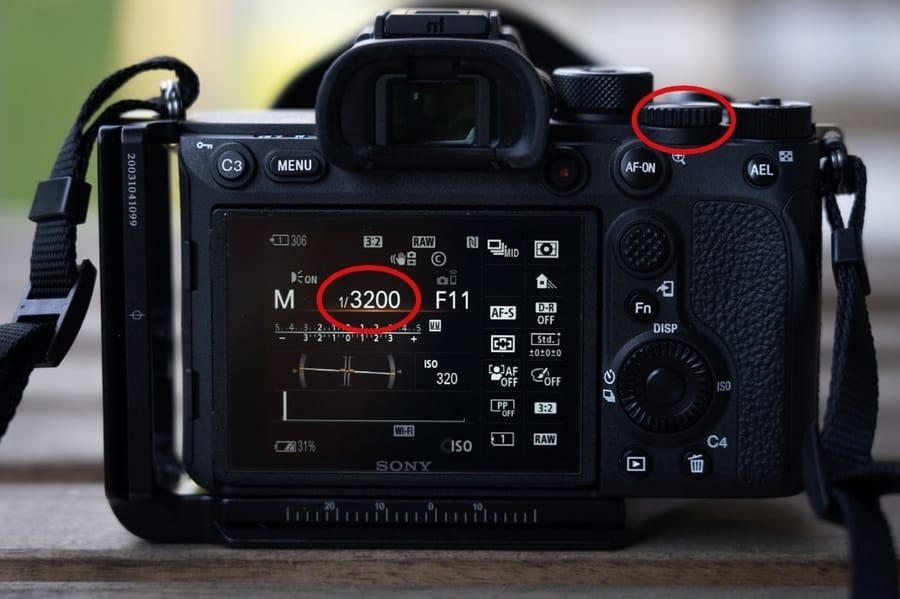
Photography can feel overwhelming when you’re just starting. Modern cameras come with many buttons, modes, and settings that may seem confusing at first. The good news is that you don’t need to master everything to take great photos. By understanding a few essential camera settings, you can dramatically improve your images—whether you’re using a DSLR, mirrorless camera, or even a smartphone.
In this guide, you’ll learn the best camera settings for beginners, explained in a simple and practical way.
Camera Settings Explained
ISO
ISO controls how sensitive your camera sensor is to light.
- Low ISO (100–200): best for bright daylight
- Medium ISO (400–800): indoor or cloudy scenes
- High ISO (1600+): low-light situations (adds noise)
Aperture
Aperture controls how much light enters the lens and how blurry the background appears.
- Wide aperture (f/1.8–f/2.8): portraits and subject isolation
- Narrow aperture (f/8–f/11): landscapes and sharp details
Shutter Speed
Shutter speed controls how long light hits the sensor.
- Fast shutter (1/500 or faster): freezes motion
- Slow shutter (1/30 or slower): motion blur and night photography
White Balance
White balance controls color tones.
- Auto White Balance works well for beginners
- Use Daylight or Cloudy if colors look unnatural
Best Camera Settings for Common Situations
Portrait Photography
- Mode: Aperture Priority
- Aperture: f/1.8–f/2.8
- ISO: 100–400
Landscape Photography
- Mode: Aperture Priority
- Aperture: f/8–f/11
- ISO: 100
Night Photography
- Mode: Manual
- Aperture: f/2.8
- Shutter speed: 5–15 seconds
- ISO: 800–1600
Action Photography
- Mode: Shutter Priority
- Shutter speed: 1/500 or faster
- ISO: Auto
Camera Settings for Smartphone Photography
Smartphones today are powerful photography tools.
- Use HDR in high-contrast scenes
- Tap to focus and adjust exposure
- Avoid digital zoom
- Clean your lens regularly
Common Beginner Mistakes
- Shooting everything in auto mode
- Using high ISO in bright light
- Ignoring white balance
- Over-editing photos
Once you understand camera settings, the next step is learning photography composition.
Final Tips for Better Photos
Photography improves with practice, not gear. Start by mastering these basic camera settings, experiment in different lighting conditions, and review your photos often. Small adjustments can make a big difference in image quality.
Once you understand exposure, you can apply these principles across different situations. For a complete overview, check our Best Photography Tips for Beginners.